
Heritage colors of Ho Chi Minh City
Every Color Tells a Story
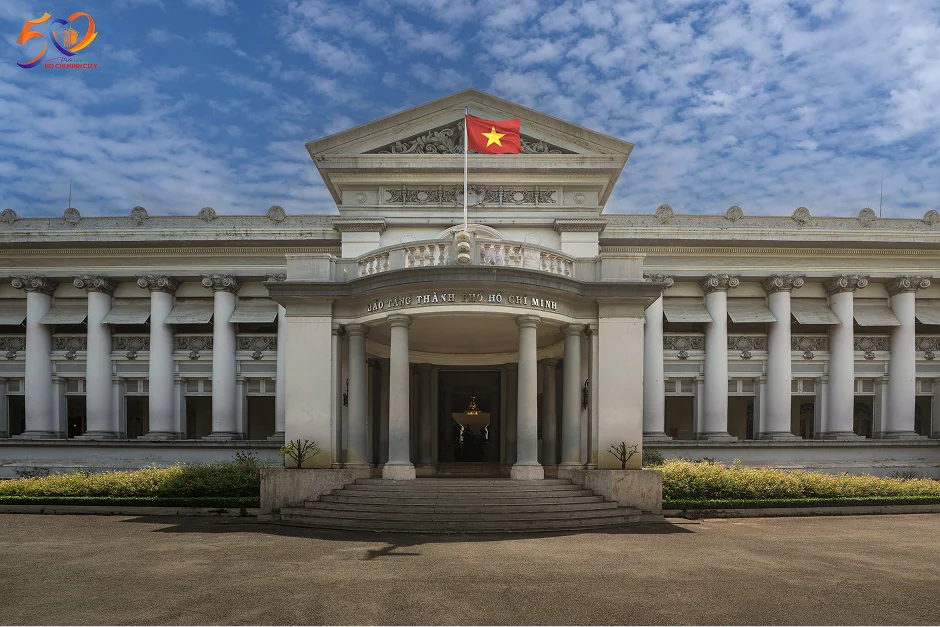
Pure White – Ho Chi Minh City Museum
The Ho Chi Minh City Museum stands as one of the city’s finest architectural landmarks, where European classical elegance blends harmoniously with Asian influences. Its graceful white façade, grand columns, long corridors, and refined interiors create an atmosphere of timeless sophistication. Beyond its architectural beauty, the museum preserves valuable collections that tell the story of Ho Chi Minh City’s transformation through different historical periods, making it an essential destination for visitors interested in culture and history.
Address: 65 Ly Tu Trong Street, Ben Nghe Ward, Ho Chi Minh City
Opening Hours: 7:30 AM – 5:00 PM (Daily)
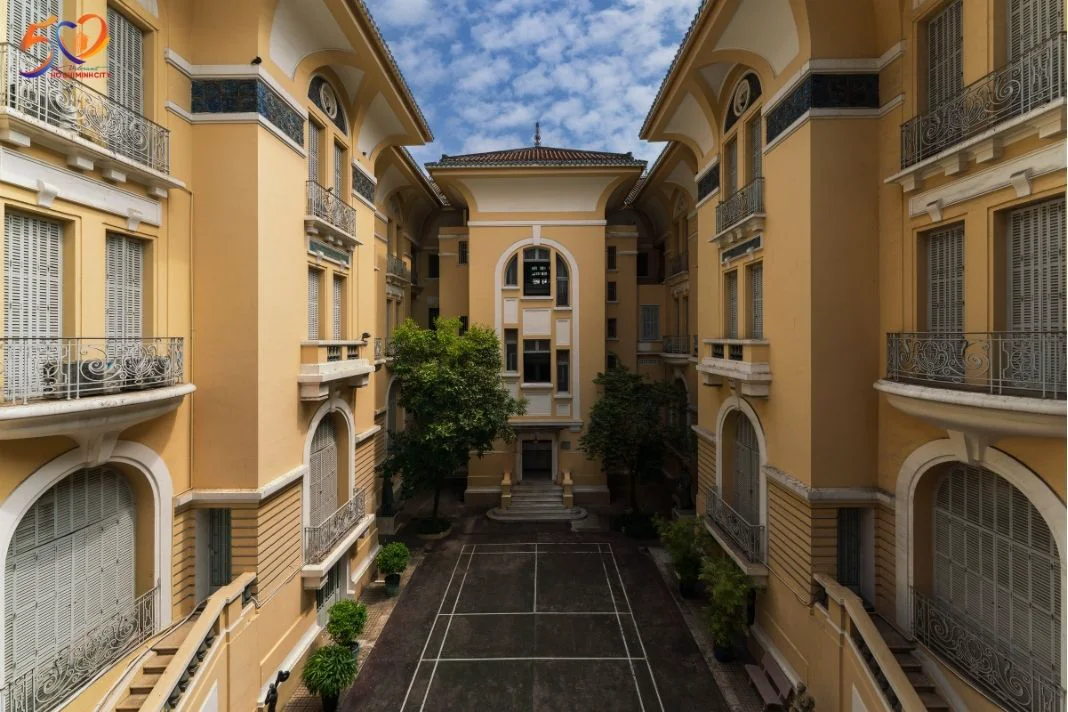
Golden Elegance – Ho Chi Minh City Museum of Fine Arts
Recognizable by its warm yellow exterior, the Ho Chi Minh City Museum of Fine Arts is a masterpiece of architecture that combines Neoclassical and Art Deco styles. Visitors can admire beautifully preserved stained-glass windows, elegant wooden staircases, a historic elevator, and galleries displaying remarkable collections of Vietnamese fine arts. Every corner of the museum reflects artistic craftsmanship and offers countless opportunities to appreciate both architecture and visual arts.
Address: 97A Pho Duc Chinh Street, Ben Thanh Ward, Ho Chi Minh City
Opening Hours: 8:00 AM – 5:00 PM (Daily)
Refreshing Green – Saigon Zoo and Botanical Gardens
Established in 1865, the Saigon Zoo and Botanical Gardens is one of the oldest botanical gardens and zoos in the world. Home to centuries-old trees, diverse plant collections and wildlife, it offers a peaceful retreat in the heart of the city. Historic architecture, shaded pathways, vibrant gardens and open green spaces make it an ideal destination for nature lovers, families and photography enthusiasts alike.
Address: 2 Nguyen Binh Khiem Street, Ben Nghe Ward, Ho Chi Minh City
Opening Hours: 7:00 AM – 6:30 PM (Daily)
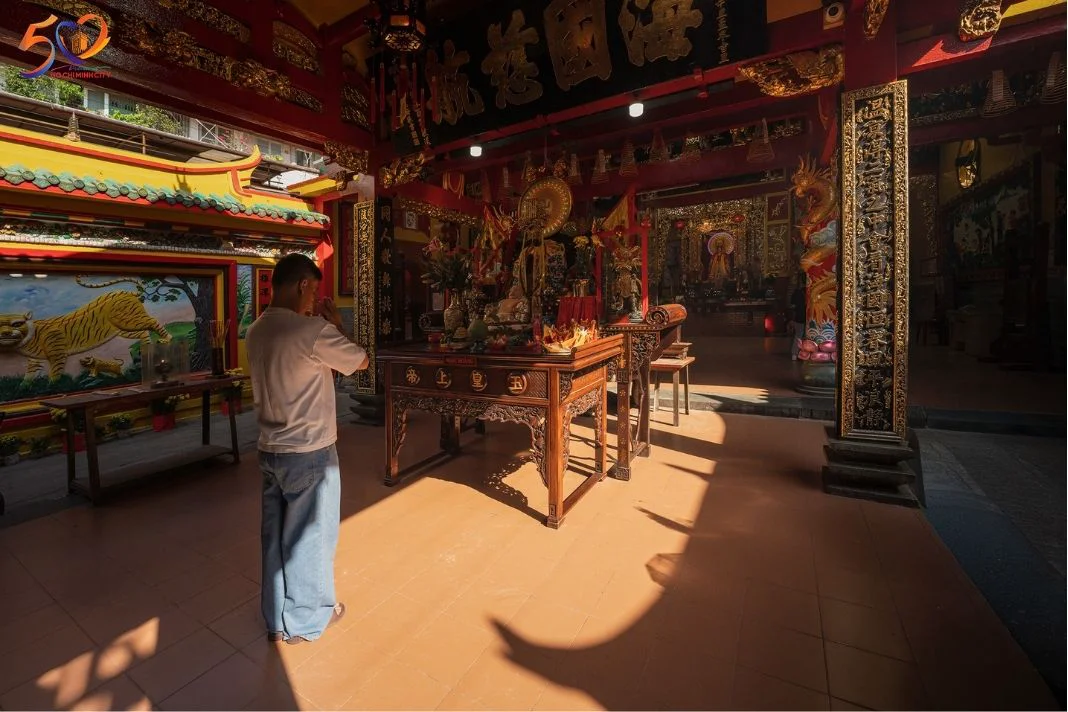
Lucky Red – On Lang Assembly Hall
Located in the historic Cholon area, On Lang Assembly Hall is an outstanding example of Fujian Chinese architecture. The intricate ceramic roof decorations, dragon carvings, traditional lanterns, and striking red tones symbolize prosperity, happiness, and good fortune. As an active place of worship and an important cultural landmark, the assembly hall reflects the rich heritage of the Chinese community that has contributed to the city’s multicultural identity for generations.
Address: 802 Nguyen Trai Street, Cho Lon Ward, Ho Chi Minh City
Opening Hours: 9:00 AM – 4:00 PM (Daily)
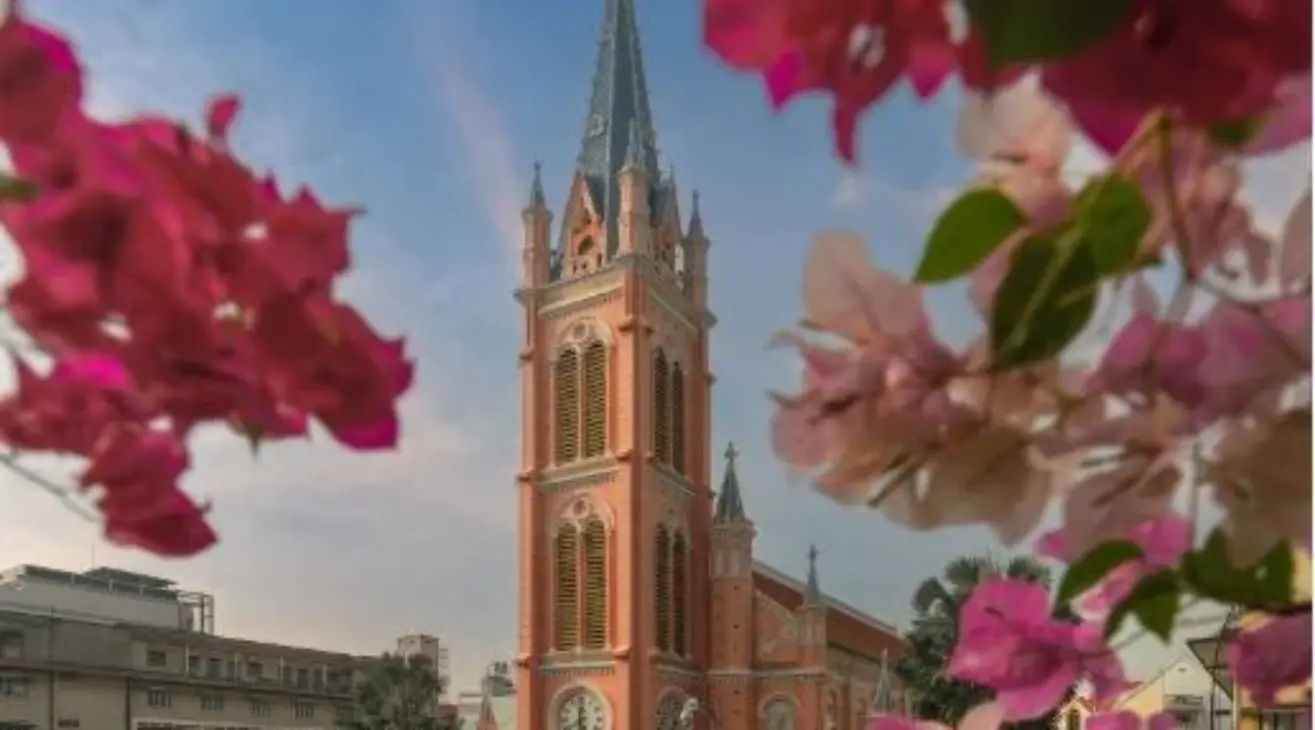
Vibrant Pink – Tan Dinh Church
With its unmistakable pink façade, Tan Dinh Church is one of Ho Chi Minh City’s most recognizable landmarks. Built in the late nineteenth century, the church combines Gothic, Romanesque, and Baroque architectural elements, creating a unique silhouette that stands out against the city’s skyline. Whether admired from its courtyard or from nearby cafés, it remains one of the city’s favorite places for photography and architectural exploration.
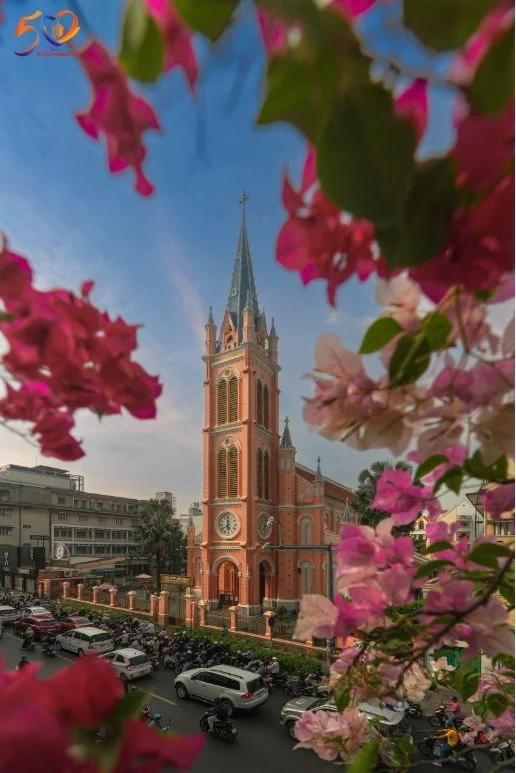
Address: 289 Hai Ba Trung Street, Xuan Hoa Ward, Ho Chi Minh City
Opening Hours:
Tuesday – Saturday: 6:30 AM – 11:30 AM | 2:30 PM – 6:30 PM
Sunday: 6:30 AM – 10:30 AM | 4:30 PM – 8:30 PM
Timeless Brown – Giac Lam Pagoda
Founded in 1744, Giac Lam Pagoda is the oldest Buddhist temple in Ho Chi Minh City and one of its most significant cultural landmarks. Constructed primarily from precious wood, the pagoda preserves traditional Southern Vietnamese architecture, centuries-old Buddha statues and exquisitely carved decorative details. Its tranquil gardens, ancient stupas and peaceful atmosphere invite visitors to experience the spiritual heritage and enduring craftsmanship that have been carefully preserved for generations.
Address: 565 Lac Long Quan Street, Phu Tho Hoa Ward, Ho Chi Minh City
Opening Hours: 7:00 AM – 12:00 PM | 1:30 PM – 9:00 PM (Daily)
Discover the Colors of Ho Chi Minh City’s Heritage
Together, these iconic landmarks create a colorful portrait of Ho Chi Minh City, where history, architecture, and diverse cultural traditions continue to shape the city’s identity. Each destination offers a unique story and a different perspective, inviting visitors to discover the heritage that lives alongside one of Asia’s most dynamic urban centers.